heavy industry focused professional lube oil treatment packages?
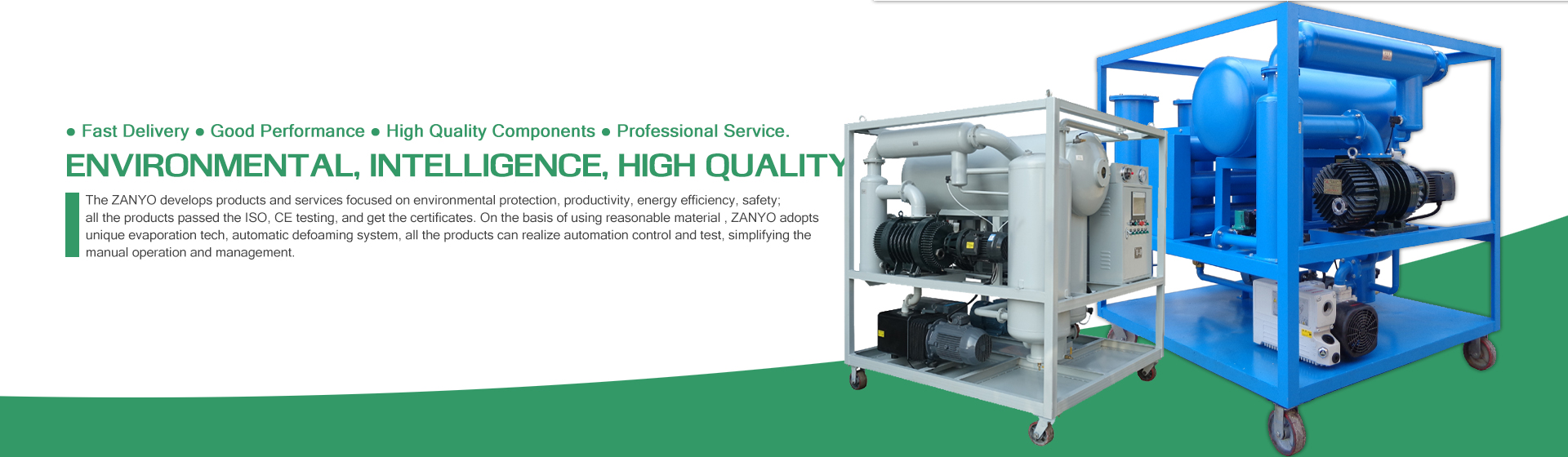
Initiating
An hydraulic lubrication relating to electrical devices is essential regarding these effectiveness. As time passes, electrical device lubricant amasses impurities comprising wear substances, contaminants, and aqueous content. The particles can impair the oil's dielectric properties and energy transfer characteristics, ultimately threatening appliance stability and service life. To handle this complication, advanced refinement approaches are widely being adopted.
The means often involve a mixture of chemical methods, comprising extraction, collection, and deterioration. Proficient removal frameworks can effectively remove large solids from the oil, while activated carbon are employed to bind dissolved impurities.
- Additionally, oxidation techniques can be utilized to break down persistent impurities, thereby enhancing the oil's properties.
These refinements in energy oil purification procedures bring about to heightened appliance effectiveness, stability, and operating life, therefore minimizing downtime and incidental costs.
Enhancing Oil Quality with Exact Filtration Technology
Across stringent sectors of factory workings, keeping prime dielectric performance is important for boosting machine durability and overall performance. Targeted filtering solutions are indispensable in this operation by thoroughly purging foreign matter that can harm oil integrity over time. Such refined purification approaches incorporate a integration of physical filtration media and meticulous engineering to catch a comprehensive selection of debris from the oil stream. The achievement is fresher more reliable oil that can competently lubricate mechanical sections, reducing friction , abrasion, and breakdown. By executing precision filtration systems, sectors can distinctly raise the service life of tools, lower maintenance costs, and reach improved operational efficiency.
High-Performance Filtration Equipment: Securing Optimal Performance
Inside today's demanding industrial landscape, performance output is indispensable. Sustaining equipment operation and life span rests on several factors, with oil purity emerging as a essential factor. Workshop cleansing units play a vital role in upholding lubricant excellence by cleaning up contaminants that can trigger untimely damage, defect, and economic delay. Such refined units adopt contemporary separation methods to confine a broad spectrum of impurities, comprising matter, fluid, and acids. By persistently processing the oil, industrial oil purifiers boost longevity, heighten oil operation, and contribute to a safer and more productive work environment. Thoroughly care of these systems is key to validate their effectiveness. This demands overseeing the filtration process, refilling elements as needed, and conforming to originator recommendations for optimal performance. By investing in first-rate industrial oil purifiers and practicing a robust maintenance schedule, industries can achieve significant efficiency gains. Ultimately, these systems set the path for fluid processes, lowered pauses, and increased profitability.Guarding Equipment by Quality Filtration
Hydraulic fluid treatment is a fundamental ingredient in the maintenance of any mechanism or tools. Through use, powertrain fluids becomes laden with particles, which can hinder output and sooner or later lead to disruption. Adopting effective oil filtration methods can significantly lengthen the life of your equipment and affirm optimal operation. Diligently renewing your machine fluids and utilizing a fine unit are necessary steps. A effective oil filter can expertly hold adulterants, holding your engine operating reliably.
Transformer Oil Regeneration: Extending Equipment Lifespan
Affirming the capability of your power devices is paramount for a reliable and profitable electric supply. Over time, transformer oil naturally decays due to warmth, oxidation, and mechanical stress. This erosion can bring about increased operational costs, reduced efficiency, and potential damage to the apparatus. Transformer oil regeneration offers a environmentally sound and cost-efficient solution to extend the utility time of your transformers by restoring their earliest properties and performance.
The procedure involves cleansing the used oil through a series of advanced means, such as filtration, dehydration, and oxidation inhibition. This efficiently gets rid of debris, rehabilitates dielectric strength, and boosts thermal stability. By restoring regenerated oil into your transformers, you can significantly decrease maintenance requirements, advance whole dependability, and ultimately magnify the lifespan of your valuable assets.
Essentials of Lubricant Cleaning in Industry
Fluid cleaning is an indispensable process in industrial applications. Machine oils are constantly encountering contaminants such as particles, water, and decay substances. These impurities can severely impair the capability of lubricants, leading to increased friction, wear, and component defect. Effective oil purification methods incorporate diverse processes to filter out debris. These methods can encompass various filters that physically trap impurities, chemical treatments that neutralize or decompose unwanted elements, and thermal processing removing toxic fumes. The selection of the most suitable approach depends on the targeted setting and the type of contaminants present. Regular oil purification not only increases life expectancy of lubricating oils but also minimizes maintenance costs. Moreover, it reduces the risk of accidents by preventing equipment failures and reducing pollutant spread.
Handling Hydrocarbon Contamination: Complete Review
Controlling oil contamination is paramount for ensuring operational efficiency and environmental protection. This extensive overview delves into the aspects of oil contamination, explaining its causes, consequences, and effective management strategies. Presented will be varied best practices, inspection procedures, and regulatory directives to help you decrease oil contamination risks.
- Master the main contributors of oil contamination in various settings.
- Reveal the damaging influences of oil contamination on equipment, infrastructure, and the environment.
- Apply proven strategies to prevent and control oil spills and leaks.
- Be aware of industry regulations and best practices for oil contamination management.
Upgrading Hydraulic Systems by Cleaning
Retaining high quality in fluid mechanics necessitates meticulous attention to detail, particularly when it comes to the quality of the hydraulic fluid. Fluid contamination can lead to a cascade of detrimental effects, including reduced efficiency, increased wear and tear on components, and even catastrophic system failures. Applying a robust purification process is important for mitigating these risks and ensuring the longevity and reliability of hydraulic systems.
Through regular filtration and treatment processes, it's possible to remove harmful particles, water, and other contaminants that can compromise fluid performance. By employing elite filters with appropriate micron ratings and utilizing specialized purification equipment, operators can effectively maintain the integrity of the hydraulic fluid and extend the operational lifespan of critical components. This proactive approach not only minimizes downtime and repair costs but also enhances the overall safety and efficiency of hydraulic systems.
Detailed Oil Cleaning Techniques for Transformers
Steady preservation of transformer oil is vital for the long-term performance and functional period of your transformers. With duration, oil can become contaminated with residues, affecting its ability to efficiently cool and cushion the transformer components. Deep cleaning transformer oil involves a multi-step process to extract these contaminants, restoring the oil's properties to optimal levels.
- Initially carefully draining the existing oil from the transformer tank. This demands proper shielding actions and adherence to manufacturer's guidelines.
- In addition, the transformer tank must be thoroughly detoxified with a suitable solvent. This procedure helps eliminate any lingering oil and contaminants from the tank's interior.
- As soon as the tank is cleared, the filtered oil can be injected back into the transformer. The amount of oil added needs to fit the supplier's specifications.
- To end, it is vital to survey the transformer's oil level and status regularly. This will authorize you to discover any potential issues early on, allowing for swift action.
Determining the Appropriate Oil Purifier for Your Needs
About deciding on the leading oil purifier for your situation, it's key to consider a range of factors. First, measure the size of your oil system and decide on a purifier that can properly handle it. Next, evaluate the type of oil you're utilizing. Different purifiers are formulated to clear specific unwanted elements. Finally, include your budget and scrutinize different brands and models that align with your needs.
- Moreover, mind to elements like purification power, quiet operation, and care manageability.
Real-World Benefits of Transformer Oil Purification
Frequent decontamination of transformer oil offers a multitude of discernible benefits that improve the functionality of electrical equipment. Chiefly, purified oil reduces fatigue to vital components, extending their operational duration. This minimizes repair fees. Furthermore, cleaner oil augments heat transfer capabilities, leading to more superior cooling and preventing temperature fluctuations.
By extracting foreign substances, transformer oil purification secures smooth operation and curtails the risk of short circuits. This ultimately {contributes to|leads transformer oil filtration to