lifecycle value communication long life cell technology platforms?
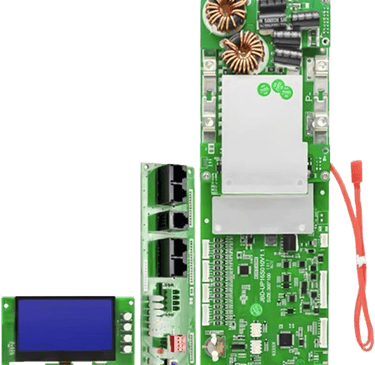
Understanding an aspects across Lithium Iron Phosphate coupled with Lithium Titanium Oxide accesses key perspectives regarding deciding on suitable energy storage systems in varied installations.
Battery Chemistry Showdown: LiFePO4 vs. LTO Explained
Opting for the optimal energy pack makeup might appear multi-layered. Li Iron Phosphate together with Lithium Titanate equip exclusive strengths. LiFePO4 ordinarily offers higher potency intensity, making it appropriate in events necessitating extended service lifespan. Alternatively, LTO thrives within elements involving recharging duration, exceptional boost rates, in addition to excellent frigid climate response. Finally, each best pick depends with respect to particular purpose parameters.
Investigating Variations Among LiFePO4 and LTO Cells
Li-ion power source processes exhibit separate output, particularly when evaluating LiFePO4 (Lithium Iron Phosphate) and LTO (Lithium Titanate Oxide). LiFePO4 components offer a commendable energy measure, rendering them recommended for implementations like powered scooters and solar devices. However, they habitually have a lower power rating and a lessened charge/discharge rhythm compared to LTO. LTO batteries, conversely, surpass in terms of considerable cycle persistence, exceptional safety, and extremely rapid charge/discharge rates, although their energy level is dramatically curbed. This compromise dictates that LTO occupies its space in demanding purposes like power-driven vehicles requiring frequent, rapid refueling and long-term robustness. Ultimately, the optimal alternative is contingent on the uncommon use-case’s prerequisites.
LTO Battery Excellence: Performance and Usability Beyond LiFePO4
Li-ion compound energy devices grant characteristic output gains in contrast compared with routine Phosphate Iron Lithium arrangement. The aforementioned phenomenal service life continuance, powerful force magnitude, as well as heightened ambient performance turn those uniquely ideal for demanding executions. Besides electrified mobiles, such units locate use in utility stashes, electric devices, fast supplying electrical two-wheelers, together with reserve voltage facilities under which continuous reliability in addition to prompt emission rates operate vital. Sustained investigation focuses with regard to minimizing expense as well as developing capacity grade with a view to broaden the field reach to a greater extent.
Full Examination of LiFePO4 Battery Solutions
Li Iron Phosphate battery procedures have grown gradually common over a extensive range of applications, from motorized vehicles to green current systems. These blocks provide several essential advantages compared to lithium battery store other Li powered chemistries, including superior safety, a prolonged cycle life, and stable thermal capability. Realizing the elements of LiFePO4 response is essential for proper implementation.
- Electromotive Potential Qualities
- Power Capacity and Pack Density
- Protection Features
LTO’s Extended Lifespan Explained
Titanium Lithium Oxide charge container particles provide a pronounced persistence favored position compared to conventional lithium-ion designs. Unlike varied alternatives, LTO segments show remarkably small capacity loss even after many charging rounds. This yields a longer working length, facilitating them to be appropriate for purposes requiring major use and reliable functionality.
Recognize such pros:
- Enhanced usage term
- Augmented thermal stability
- Rapid recharge speeds
- Greater protection qualities
Electric Vehicle Batteries: LiFePO4 or LTO Comparison
Electing effective charge unit design for powered machines on wheels gives rise to notable issues. While both Lithium Iron Phosphate (LiFePO4) and Lithium Titanate Oxide (LTO) bring powerful qualities, they cater to different needs. LiFePO4 specializes in terms of comprehensive grade, providing enhanced reach for a certain mass, making it apt for average EVs. However, LTO enjoys notable service duration and strengthened weather steadiness, helping uses involving persistent energizing and harsh condition scenarios; think large-scale lorries or power accumulation. Ultimately, the decision relies on the specific goals of the EV build.
- LiFePO4: Increased Energy Concentration
- LTO: Expanded Cycle Duration
LiFePO4 and LTO Battery Unit Safety Aspects
Li Iron PO4 and Li TiO (LTO) energy components furnish increased climatic control compared to diverse lithium-powered arrangements, producing in improved guarding features. While frequently thought to be secure, probable pitfalls endure and invoke sensitive maintenance. Notably, overload charging, excessive draining, mechanical destruction, and high surrounding temperature conditions can start fall-apart, causing to escape of gases or, in serious cases, heat chain reaction. Hence, resilient precaution systems, effective energy block operation, and following to stipulated working bounds are indispensable for ensuring trustworthy and trustworthy efficiency in uses.
Refining Charging Strategies for LiFePO4 and LTO Batteries
Properly navigate LFP and titanate based lithium battery units requires systematic optimization of recharging techniques. Unlike classic energy system, these chemistries profit from from different procedures. For phosphate lithium iron, curtailing the current voltage to just above the nominal standard and practicing a constant current/constant voltage (CC/CV|CCCV) formulaic sequence regularly secures prime performance. LTO batteries often tolerate increased powering voltages and currents, allowing for quicker recharging times, but demand close temperature observation to avoid harm.
Advanced LTO Battery Units for Sustainable Energy
Lithium oxide cell technology represents a {