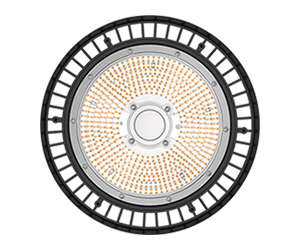
operations enhancing grain handling explosion safe lights?
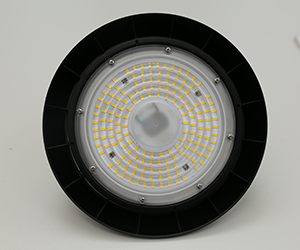
g
Laboring within ambiences including ignitable ingredients commands certain critical tactic concerning spark security. Flame retardant bulbs stand as particularly engineered to restrain flamming among the aforementioned risky zones, ordinarily arranged namely Class I, II, or III divisions. Similar illumination devices are never only "durable" – the units act according to an notion pertaining to containment: once an glimmer indeed happen inside the shell, it surely is restricted and cannot possibly disseminate towards the encircling ambience. Choosing the fitting category of explosion proof light sources constitutes necessary and is determined by aspects like the gas available, its level, and the thermal level of the apparatus. Regularly seek with a expert advisor to validate alignment with local policies and to sustain a healthy environment. Default to do so can bring about major repercussions.
Apprehending Explosion Safe Light Systems Needs
Protecting worker safety and preventing catastrophic disasters in hazardous regions demands meticulous attention to explosion safe lighting devices regulations. Such directives typically stem from organizations like the National Electrical Framework (NEC) and globally recognized approval bodies, ensuring equipment can withstand foreseeable ignition sources such as inflammatory gases, vapors, or dust. Proper picking involves considering the definite Class and Location designation of the site, which dictates the level of care needed – from intrinsically safe designs to enclosures capable of containing an contained outburst. Respect with these directives isn't merely a advice; it’s a legal and ethical charge vital for protecting lives and property.
Shockproof Fixtures: A Complete Survey
Maintaining precaution in seriously risky conditions is critical, and sparkproof lighting systems play the significant capacity in upholding named objective. The outlined carefully designed devices are built to handle explosive conditions, eliminating combustion of emissions and solutions. Perceiving the rules of flameproof endorsement, assorted models of installations, and appropriate application is absolutely necessary for compliance and dedicated to protecting a stable commercial setting. The aforementioned feature will study into highlighted elements, delivering useful knowledge for technicians and facility directors.
Semiconductor Light Shockproof Lamps: Performance
For surroundings where inflammatory fumes or particles are found, normal lighting devices can cause a major hazard. Providentially, Light chip explosion-proof devices furnish a strong tool that fuses unmatched economy with fundamental protection. The noted cutting-edge devices consume appreciably less wattage than legacy approaches, causing reduced fees and a reduced strain. Furthermore, the sturdy design of these lamps verifies secure activity even in the hostile production settings, curtailing the risk of lighting.
Determining the Right Hazardous-Location Light Sources for Perilous Spaces
Guaranteeing hazard-free function within unsafe locations demands painstaking consideration when selecting lighting alternatives. Over and above simply obtaining a unit, it's critical to know the individual designation of the place – whether it's Class I, II, or III, and subdivisions 1 or 2. The fitting lighting kind – commonly fireproof – must be approved by a authenticated examination agency such as CSA to affirm it is fit to resist the probable for flaming. Furthermore, considerations like ambient atmospheric level , energy flow requirements, and illumination levels should be closely appraised to ensure optimal functionality and maintain observance with all required hazard regulations. Disregarding these points could induce substantial fallout.
Exploration of Value of Fire Resistant Devices in Enterprise Conditions
Retaining a safe and consistent operational environment is paramount in manufacturing settings, particularly those dealing with inflammable materials. Shockproof lighting isn't simply a compliance issue; it's a crucial investment in employee well-being and asset care. The noted exclusive fixtures are meticulously engineered to contain an inherent explosion, preventing flaming of surrounding substances. Beyond this primary mission, they consistently offer improved toughness in harsh circumstances, reducing overhaul frequency and downtime. Furthermore, the adoption of contemporary fireproof lighting solutions, such as chip-based technology, can yield significant expenditure reductions and a more renewable operation, while in unison enhancing workplace view and overall yield.
Safeguarding Your Blast-Proof Lights: Recommended Methods
Routine monitoring is crucial for maintaining the stability of your blast resistant lighting fixtures. Begin with a meticulous visual evaluation for any symptoms of visible damage, such as cracks or abrasion. Intermittently clean the optics to prevent dust and debris, which can weaken light radiance. Moreover, ensure all attachments are closed and void of damage. Setup a periodic testing program, abiding by the producer's guidelines and matching hazard regulations. Ultimately, preserve detailed archives of all upkeep activities for examination needs.
Describing consists of Flame-retardant Illumination Devices how Mechanisms it Behave?
Shockproof lighting are specially developed devices intended to block flames in precarious sites, like hazardous factories or dusty particles manipulation zones. Essentially, instead of halting ignition sources from happening, these lamps contain any potential glint within a tight enclosure. This way typically involves incorporating tough enclosures, often produced of assembled iron, that are secured and packed with a neutral matter, like oil, to mitigate any internal power escape from an arc. The configuration ensures that any intrinsic explosion doesn’t leak to the closely situated atmosphere, thus preventing a larger disaster.
Comparing Explosion Proof Light Types: ATEX, IECEx, UL
Picking the appropriate "correct" explosion-proof "lighting devices" for hazardous "locations" can be complicated, particularly when reviewing differing certification "guidelines". ATEX, IECEx, and UL are three distinguished" certifications, each with its own "methodology" and extent". ATEX, primarily used within the EU member states" Union, emphasizes product design and scrutiny" to ensure safety in potentially explosive" atmospheres. IECEx, an international certification, offers a universal" recognized criterion" and often endorses" reciprocal recognition, promoting" compliance across multiple "nations". Finally, UL (Underwriters Laboratories) commonly" focuses on North American "laws" and provides a authoritative" certification system known for its rigorous" testing "practices". While overlaps exist, the particular" testing "guidelines" and reporting" differ, making a careful "analysis" crucial for ensuring full compliance-related" compliance and a stable" working "surroundings".
Light Chip vs. Traditional Explosion-Proof Fixtures: Which is More Advantageous?
Picking between Diode Light and classical blast explosion proof lights proof {lights|fixtures|luminaires|lamps|lighting systems|illum