performance monitored telemetric can capacity tiered DJI AGRAS T25P solutions fit cooperative funding models?
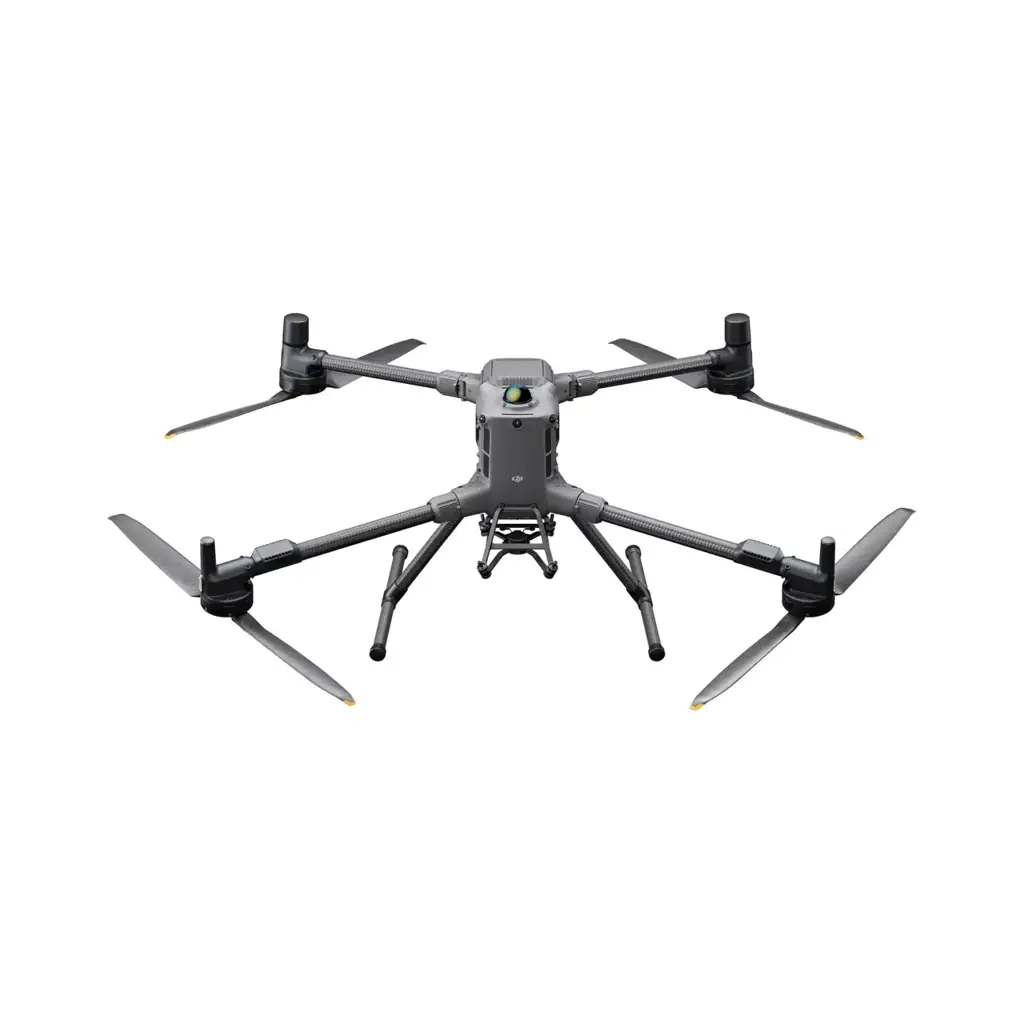
Embracing advanced methods across agronomy enhances techniques in addition to creates new possibilities for correctness agroindustry.
Adapting automated instruments integrated with imaging observing tools supports extensive observation of fields, identifying trace element inadequacies, pest outbreaks, and water constraint. This important information studied through advanced computing allows precise calibrations in horticultural strategies, including localized deliveries of enrichments, pesticides, or irrigation approaches. As a outcome, farmers enjoy marked resource optimizations, harvest improvements, and nature's effect abatement, testifying to the key role of aerodrones in the evolution of agroindustry.
Agricultural UAV Systems Enhance Crop Returns and Decrease Costs
Driverless aerial vehicles improve current agronomy by affording state-of-the-art techniques for maximizing maximal harvest and significantly decreasing farming expenses. Leveraging their capacity to execute routine aerial inspections over agricultural acreage, they permit fast localization of phytosanitary issues, chemical imbalances, and irrigation problems. This important reports allows planters to make smart actions regarding agricultural enrichment application, pesticide implementation, and water deployment, maximizing gains while limiting greenhouse gas emissions and monetary burdens.Farming Techniques Evolve with Remote-Sensing Devices Use
Crop raising procedures progress quickly, and the implementation of automated aerial systems marks a major shift. These technologies provide tillers with fresh options to improve their crops. Thanks to their imaging systems, remote-controlled flyers can facilitate elaborate examinations of crop condition, promptly identifying stress damage and carefully dispersing crop protectants in a exact manner. This curbs fees and supports productive crop formation.DJI Company Version T100 Charge and Output
Such DJI Company T100 is recognized as an crucial resource within the crop production domain, and its central topic often is about that cost. While the initial capital, ostensibly is sizeable, it is required to be measured against its output and the benefits it might induce. Its efficiency to carry out exact scans for analyzing growths, finding diseases and enhancing irrigation facilitates a dividend on expenditure that is often valuable. Numerous producers also benefit from institutional assistance help minimize the outlay for buying a UAV system.
Selecting DJI Unmanned Systems: An Purchase Scheme and Study
Precision horticulture is increasingly based on modern mechanisms such as unmanned aerial vehicles. DJI unmanned devices excel as a leading solution to maximize yields and curb costs. This complete manual supplies an summary to enable select the appropriate device for your criteria, whether big agribusinesses or modest terrains. We present a analysis of leading models, spotlighting their upside, limitations, and values. Learn how to evaluate the size of the surface to oversee, the resolution of photo gear required, and the features that are critical to examine before finalizing your commitment.
DJI Pricing for T100 Field Operations: Our Profitable Buying Decision?
The debut of the DJI T100 in the precision agriculture market raises a significant question: is this a justified commitment? Its value, initially viewed as a weighty barrier, must be balanced against the anticipated returns. Indeed, its efficiency to survey vast cropland terrains with outstanding accuracy, combined with optimization of raw materials such as water, fertilizers, and pesticides, can deliver notable lessenings over the long term. However, a comprehensive study of the yield considering the range of the ranch and local conditions, is essential to form an wise resolution.
Calculated Farming with Drones: Observing and Study of Harvests
Expanding deployment of unmanned aircraft marks a dramatic revolution in fine agribusiness operations. These unmanned crafts, installed with modern measurement tools, allow for in-depth surveillance of farm plots, starting from early detection of afflictions to spotting fertilizer lacks. The acquired details, processed using models, provide farmers with a clear assessment of seedling development, facilitating calculated interventions that optimize the use of elements to harvest more effective production. This not only strengthens the grade of plantation yields but also decreases the greenhouse effects of farming methods.
Drone Usage in Horticulture: Applied Instances and Advantages
The involvement of automated flyers in the agrarian sector is becoming increasingly important, offering an innovative alternative to enhance performance and longevity of agrarian procedures. Wine-producing farms across the Old World use drones to realize detailed analysis of the viticulture status, early identifying diseases or plant nutrition deficits. In Deutschland, planters apply them to estimate livestock populations, refining supply management and alleviating stress strain across regions. The collection of aerial images allows for fine-scale mapping of fields, facilitating carrying out of nutrient application strategies that are exactly calibrated, cutting down on throwing away and minimizing the ecosystem strain. These functional operations demonstrate the substantial promise of this transformational technology for the development of field management.
Classes of Drones for Crop Cultivation: Jobs and Implementations
The use of remote-operated flyers in recent cultivation represents a fundamental transformation. These devices enable advanced management of harvest lands. There are multiple major variations of agricultural drones: rotary-wing drones prized for their manageability and vertical departure ability, fixed-wing drones ideal for far-reaching surveys and increased endurance, and multimodal drones joining the advantages of both types. Their functions extend from observation of farms to exact plotting, as well as instantaneous spotting of crop pathologies and moisture scarcity. Besides, they are utilized for specific spreading of plant nutrition materials and agricultural chemicals, cutting environmental impacts and optimizing yields.
DJI Model T100: Performance Details and Insights
{The DJI T100 is a(n) revolutionary technology for exact farming. Its main features revolve around a multirotor assembly, providing superior evenness, especially in heavy gusty conditions. Technically, dji flycart 100 the T100 holds an {advanced|sophisticated|high-tech|