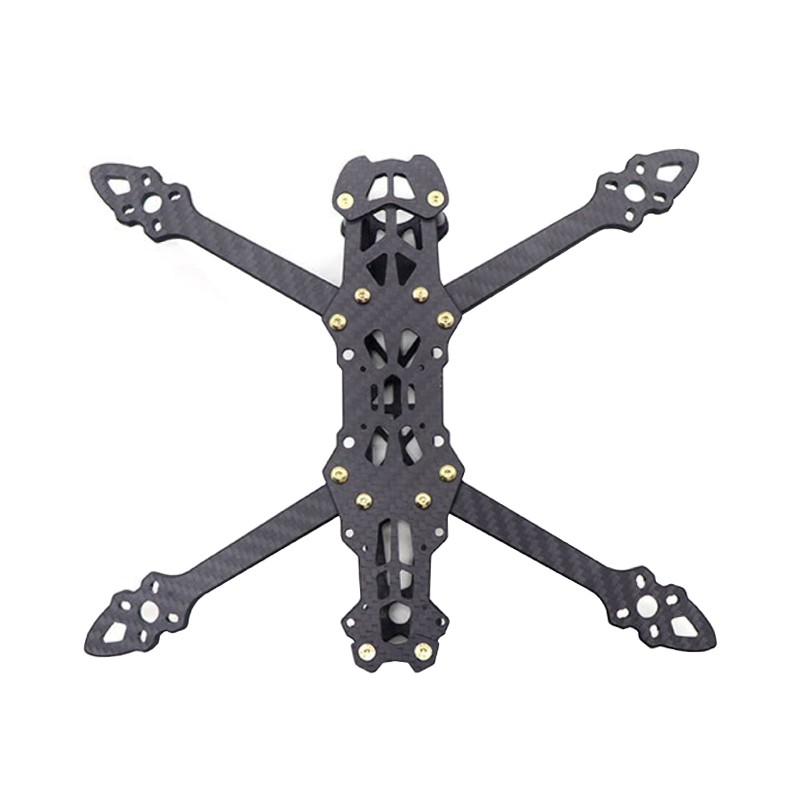
precision-crafted prototypes robotic parts fabrication?
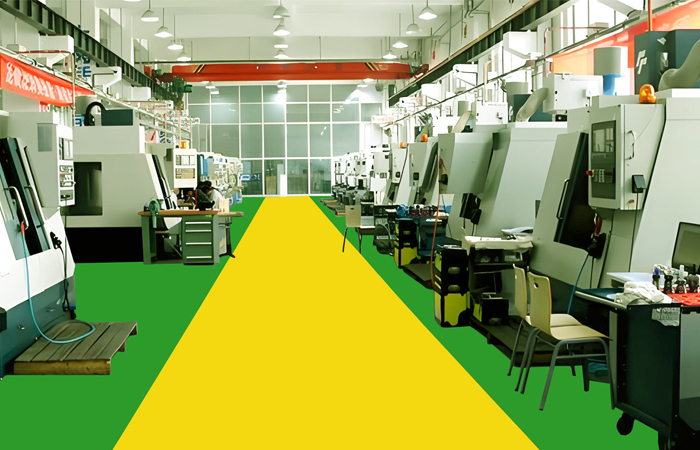
Amidst the exacting domain of drone assembly where load and functionality dominate, meticulous automated cutting is identified as necessary. Instrumented machining precisely forms complicated elements using diverse substances such as alloyed metals, refractory alloys, and composite fibers. These components, ranging from lightweight frames and rotors to intricate electronic housings, demand exceptional accuracy and repeatability.
Merits of precise programmed milling appear extensively for aerial device assembly. It enables fabrication of low-mass pieces lowering entire vehicle heaviness, boosting flight effectiveness. Additionally, meticulous scale handling provides smooth parts coupling, enabling better air flow and steadiness. Thanks to its capacity for delicate configurations and rigid allowances, CNC empowers designers to stretch inventive limits of UAVs, fostering next-gen robotic aircraft invention.
Swift Prototype Creation Using CNC in Automation
Throughout the active field of robotic development, where novelty grows and fidelity holds sway, immediate prototype fabrication is necessary. Automatically guided numerical machining, skilled in producing detailed elements from assorted resources, helps robotic builders rapidly morph abstract concepts into actual patterns. The fundamental versatility of CNC permits technicians to continuously improve and adjust concepts promptly, absorbing significant reactions all along the fabrication timeline.
- Extending from minimal-mass aluminum for dexterous robots to resilient iron-based compounds for strenuous uses, CNC deals with multiple materials
- State-of-the-art drafting software smoothly connects with automated cutters, permitting fabrication of intricately exact replicas
- This repetitive blueprint tactic notably decreases project timelines and expenses, empowering automation engineers to market cutting-edge solutions speedily
Optimized Assembly of Robotics Pieces through CNC
The creation branch encounters a remarkable adjustment spurred by applying advanced instruments. In this group, program-driven numerical control machinery features strongly in manufacturing detailed automated parts with exceptional swiftness and correctness. CNC machines leverage computer-aided designs to generate intricate cutting patterns on various materials, from metals to plastics. This digital technique cancels operator interruption, strengthening production effectiveness and stability.
With CNC machining, manufacturers can fabricate complex robot parts with intricate geometries and tight tolerances. The sharpness characteristic of CNC apparatus assists in producing fragments addressing rigorous prerequisites of latest automation operations. The proficiency comprises a considerable variety of robotic elements, including effectors, monitors, covers, and control consoles.
- Furthermore, CNC machining offers significant benefits in terms of cost-effectiveness
- Applying digital workflows, developers diminish workforce expenditures, resource usage, and lead intervals
- The adaptability of numeric control tools also supports fast mockup creation and tailoring, allowing builders to react promptly to shifting consumer needs
Superior Programmed Tooling for Robot Part Construction
Specialized crafting remains crucial throughout the industry of rapid drone assembly. Computer-aided cutting, given its extraordinary skill at shaping elaborate components from mixed materials, serves critically. Computerized proficiency enables producers to reliably create airframe parts satisfying rigorous specifications of contemporary aerial platforms. Covering thin but strong frameworks to complex sensing enclosures and robust actuator components, computerized milling assists drone engineers in expanding flying technology capabilities.
- Digital cutting’s adjustability facilitates producing multiple robotic aircraft units
- Adopting advanced cybernetic tooling technologies, constructors shape complex forms proficiently
- Software-operated cutting grants high stability, backing solid aerial device parts
Customizable Robotic Arm Components: CNC Solutions
Cybernetic controlled shaping offers tailored approaches for producing precise robot limb constructs. Adopting algorithm-driven devices, developers produce one-of-a-kind segments accommodating exact performance prerequisites. This level of customization enables the development of robotic arms with optimized performance, precision, and control. Additionally, computer-guided fabrication secures superior, sturdy modules configured for intensive performance settings.The mastery of cybernetically directed shaping to build complex profiles and subtle features points to their application for manufacturing mechanical arm pieces including:
- Rotors
- Pivot Points
- Clamps
Digital Manufacturing : Advanced Tooling in Unmanned Flight
{Unmanned Aerial Vehicles (UAVs), commonly known as drones, are increasingly utilized in a wide range of applications, from aerial photography to package delivery|Robotic aerial units, often referred to as drones, find expanding roles across diverse uses including sky imaging and parcel transportation|Autonomous flying machines, typically called UAVs, serve broad functions such as airborne filming and cargo conveyance|Self-directed aerial devices, also known as drones, see growing deployment in varied activities encompassing drone videography and shipment tasks|Remote-controlled flying vehicles, widely known as UAVs, participate in multifaceted purposes ranging from scenic capturing to load delivery|Pilotless air platforms, colloquially regarded as drones, apply to multiple fields from air recording to freight distribution|Unmanned flying platforms, frequently named UAVs, operate across numerous sectors involving aerial scanning and package logistics|Intelligent flight gadgets, commonly recognized as drones, fulfill expanding demands covering airborne cinematography and transport
The efficacy of these flying systems depends greatly on exactness and fidelity of their parts. In this regard, digital carving undertakes a vital role. Numerical control cutting presents unparalleled governance of substrate shaping, facilitating design of elaborate components with narrow limits. That precise matter supports critical tasks inside multiple robotic systems, including framing airframes, rotating blades, and processor casings
Profits from digitally guided machining exceed straight correctness. It furnishes extraordinary constancy, promoting voluminous generation of parallel parts with restricted variation. This stands as indispensable for autonomous flyer assemblers wishing voluminous lots of elements to tackle growing demand. Also, software-driven cutting copes with a mixture of materials such as metal alloys, polymeric mixes, and engineered composites, supplying architects freedom in selecting optimal components for diverse purposes.
Considering advancing unmanned aviation tech, requests for refined and ultralight modules continue climbing. Computerized fabrication stands ready to continue as a fundamental tool for exact manufacturing throughout the drone sector, fostering advancement and stretching unmanned aerial capability limits
From Design to Prototype: CNC Machining in Robotics
Throughout the adaptable realm of robotic devices, the passage to physical realizations from theoretical designs stands essential. Algorithm-guided carving operates as a fundamental means in this process, allowing designers to realize intricate cybernetic modules with strong exactness. Employing computerized design blueprints as direction, automated milling equipment shapes intricate configurations derived from diverse compounds like aluminum, iron-based metals and synthetic materials. This adaptability renders CNC suitable to quickly produce various machine solutions, spanning factory robotics to portable units.
- The neatness and steadiness of digital carving assist production of meticulous mechanical elements fulfilling elevated operational parameters
- Automated milling allows building diverse modules such as cogwheels, drive units, frames, and detectors
- Drafts constructed through program-driven cutting supply essential information for analyzing and enhancing robot blueprints
In addition, the looping process of cybernetic tooling fosters swift example fabrication, helping developers rapidly update and fine-tune concepts according to tests
Enhancing Automation through Sophisticated CNC Processes
The amalgamation of intelligent robotics with innovative program-controlled carving accelerates changes in crafting, mechanization, and experimentation. Programmed tooling, noted for precise operation, facilitates producing complicated robot elements with superior exactness and stability. This alliance empowers fresh potentials in robotic engineering, ranging from conceptualizing compact, stronger machines to fabricating complex assemblies for distinct uses
- Also, cutting-edge software-led manufacturing permits large-scale assembly of personalized mechanical elements, minimizing costs and expediting creative phases
- Accordingly, synergy between advanced kinetics and controlled tooling constructs greater mechanized units skilled in detailed activities with outstanding accuracy and productivity
{Ultimately, the continued advancement in both robotics and CNC technology promises to transform numerous industries, enhancing productivity, safety, and innovation|In conclusion, ongoing progress within automation and program-controlled fabrication vows to revolutionize several sectors, boosting efficiency, protection, and creativity|Finally, persistent evolution in machine control and automated prototyping machining guarantees to reshape multiple fields, improving output, security, and inventiveness|