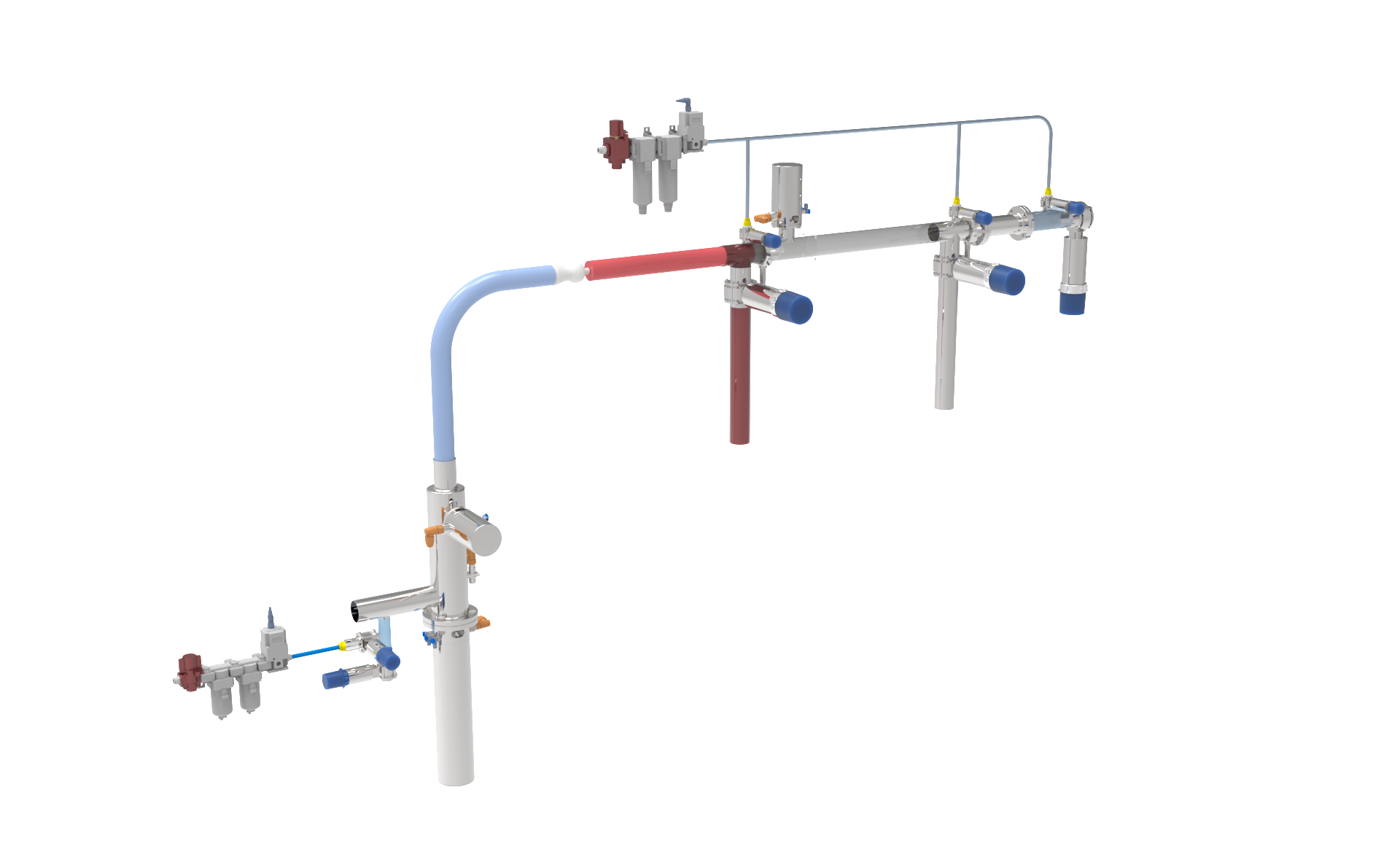
risk controlled category leading pigging systems for sauces?

Commencing Modern Maintenance pigging systems Procedures
Hygienic Pigging Techniques in Food Production
Conducting cleanroom pigging practices assures excellent cleanliness including hygienic throughput. These protocols include corrosion-resistant alloys designed for withstanding meticulous maintenance in the course of limiting bacteria growth.
- Progressive blueprints feature programmable sanitation phases, enhancing workflow productivity.
- Satisfaction of safety norms is critical for every pipeline hygiene approach executed in gourmet food handling. Technologies are assembled to fulfill firm rules, confirming the optimal production standards.
Maximizing Flow Enhancement through Pigging Techniques
Pipeline system pigging devices provides a resilient solution for advancing pipeline throughput. By using intelligent pig placement and strategic monitoring plans, field teams can reduce process halts, improve pipeline volumes, and confirm optimal pipeline integrity. Pigging locates potential faults such as stoppages or degradation but also promotes efficient treatment and inspection procedures. This anticipatory conduit administration materially minimizes maintenance costs and aids the entire strength of transit structures.
Pipeline Cleaning Systems in Pet Food Production
Pipeline sanitation devices have become necessary components within the pet food manufacturing industry. These systems facilitate the safe and efficient transportation of materials through channels, limiting unintended blendings. By competently discriminating different products or supply sets, pigging systems facilitate secure the highest levels of value and well-being in pet food production.
As well, pigging systems present a collection of benefits, featuring reduced downtime for upkeep and inspection, improved system functionality, and meager substance reduction. The use of pigging systems finally adds to the production of secure, nutritious, and repeatable pet food.
Hygienic Architecture of Pigging Systems for Animal Feed
Throughout the production of pet food, ensuring excellent tidiness is indispensable. Pigging systems are instrumental in maintaining product integrity and security by successfully cleaning pipelines between formation stages. A well-designed pigging system utilizes features that minimize adulteration chances, advance reliable sterilization methods, and avoid quality compromises between batches.
- Installing sleek layers lessens the potential for bacterial accumulation.
- Ingredients that are sterilizable and corrosion-resistant are fundamental for ensuring hygiene.
- Proper valving mitigates the regurgitation of intrusions during maintenance and ingredient conveyance.
Optimized pigging constructs also boost operational efficiency by curtailing downtime for cleaning. By properly eliminating residues and hindering cross-contamination, these systems add to a more trustworthy production process, eventually leading to the development of safe and top-notch pet food.
Pipeline Cleaning and Inspection
Sustaining the durability of fluid lines is critical for safe and high-performance circulation of fluids. Pigging systems grant a cost-effective technique to upholding pipelines. A pig, also referred to as a pipeline mechanism, performs as a specialized device propelled through the pipeline to complete various tasks. Cleaning pigs cleanse buildup and contaminants, while inspection pigs are loaded with sensors to detect wear in the pipe walls. Regular pigging helps lessen pipeline interruption, guaranteeing safe and reliable activity.
- Diverse types of pigs behave, each tailored for specific uses.
- Pigging operations are successful and can be performed remotely.
- Adopting a pigging program can lengthen the endurance of pipelines and curtail maintenance costs.
Cutting-Edge Pigging Systems in Animal Feed Manufacturing
Pigging stands as a key technology in the pet food industry, supporting efficient and sanitary production.
Modern pigging technologies harness sophisticated hardware to thoroughly purify pipelines. This cuts down the risk of hazardous transfer between different pet food formulations, thereby enhancing product safety and quality.
Additionally, advanced pigging technologies offer a range of benefits such as: * Improved effectiveness in sanitation operations * Decreased inefficiency periods * Optimized disinfection processes * Limited demand for risky chemicals
The employment of these technologies reflects the pet food industry's commitment to making reliable and outstanding pet food for end users.
Problems and Answers in Pigging Systems for Pet Food Production
Pigging operations are important in the pet food production process, upholding efficient transfer of materials and finished products. However, these systems face wide-ranging challenges. One prevailing concern is blockages caused by ingredient agglomeration. Addressing this downside involves executing pigging methods such as variable instruments and enhancing ingredient recipes.
Another obstacle is the likelihood of contamination. Limit this, strict cleanliness protocols must be executed throughout the pigging system. This involves regular disinfection of pigging instruments and employment of robust cleaning extracts. Regular checks are also crucial to diagnose potential concerns early on. By embracing these solutions, pet food manufacturers can assure the efficiency and integrity of their pigging systems.
Rewards of Pigging Techniques in Pet Food Manufacturing
Pigging mechanisms offer a variety of benefits for pet food manufacturers working to optimize their production processes. These systems deploy air-driven pressure applied to propel this pig, a cleaning device, through the pipeline, effectively removing product residue and contaminants. Thus, pigging systems contribute to upgraded hygiene standards, reducing the risk of cross-contamination and offering a safer final product for pet owners.
- Also, pigging systems can expand production efficiency by lowering downtime for cleaning and maintenance.
- Besides, they contribute to diminish waste by stopping product loss during pipeline cleaning.
- Ultimately, pigging systems can be designed to satisfy the specific requirements of different pet food production lines.
Case Studies: Successful Implementation of Pigging Systems in Pet Food Plants
Pet diet production area is shifting to efficient and sanitary operations for ensuring optimal product quality. Pigging systems have been recognized as a popular solution to meet these demands, offering a trustworthy method for cleaning and evaluating pipelines within pet food plants.
Many case studies illustrate the efficiency of implementing pigging systems in various segments of pet food production.
- Brands like [Company A], [Company B], and [Company C] have recorded significant improvements in sanitation, product trustworthiness, and overall operational output following the adoption of pigging systems.
- Results such as reduced downtime for cleaning, diminished cross-contamination risks, and improved accountability of product flow have been observed in these case studies.
Besides, pigging systems contribute to green reduction by boosting resource utilization and minimizing waste generation.
Choosing the Right Pigging System for Your Pet Food Pipeline
Regarding preserving the purity standards of your pet food line, a sturdy pigging system is paramount. Pigging systems optimize efficiency by flushing product residue and reducing cross-contamination between batches. Selecting the correct system depends on a variety of criteria, including your manufacturing volume, input characteristics, and functional infrastructure.
- Weigh the span of your pipelines to ensure a suitable pig design.
- Examine the thickness of your pet food products to select the optimal pig material and rate of operation.
- Concentrate on systems that feature features like programmable launching and retrieval for increased reliability.