tender friendly rapid response solenoid valve assemblies?
Fundamental industrial valve determination maximizes process productivity and comprehensive system output. To achieve best functioning, it is crucial to meticulously choose valves that adhere to your process requirements.
An inclusive valve selection resource has to analyze a diversified parameters including liquid nature, operational tension, heat scale, flux speed, and management prerequisites. As well, establishing the needed valve operation model such as pneumatic, hydraulic, or electric is crucial.
Thorough Analysis of Butterfly Valve Capacities
Figuring out suitable operational metrics for butterfly valves is necessary for analysts striving for efficient system regulation. The examination addresses essential aspects governing butterfly valve efficiency, including design attributes, operational contexts, and testing approaches. By exact appraisal of these considerations, this piece wishes to ensure comprehensive awareness of elements advancing butterfly valve functionality.
- Fabrication traits essentially steer overall capability
- The material of the valve body significantly impacts its durability in various operating conditions
- Flow restriction is a vital factor in assessing butterfly valve efficiency, particularly under high throughput demands
Utilizing Ball Valves in High-Pressure Environments
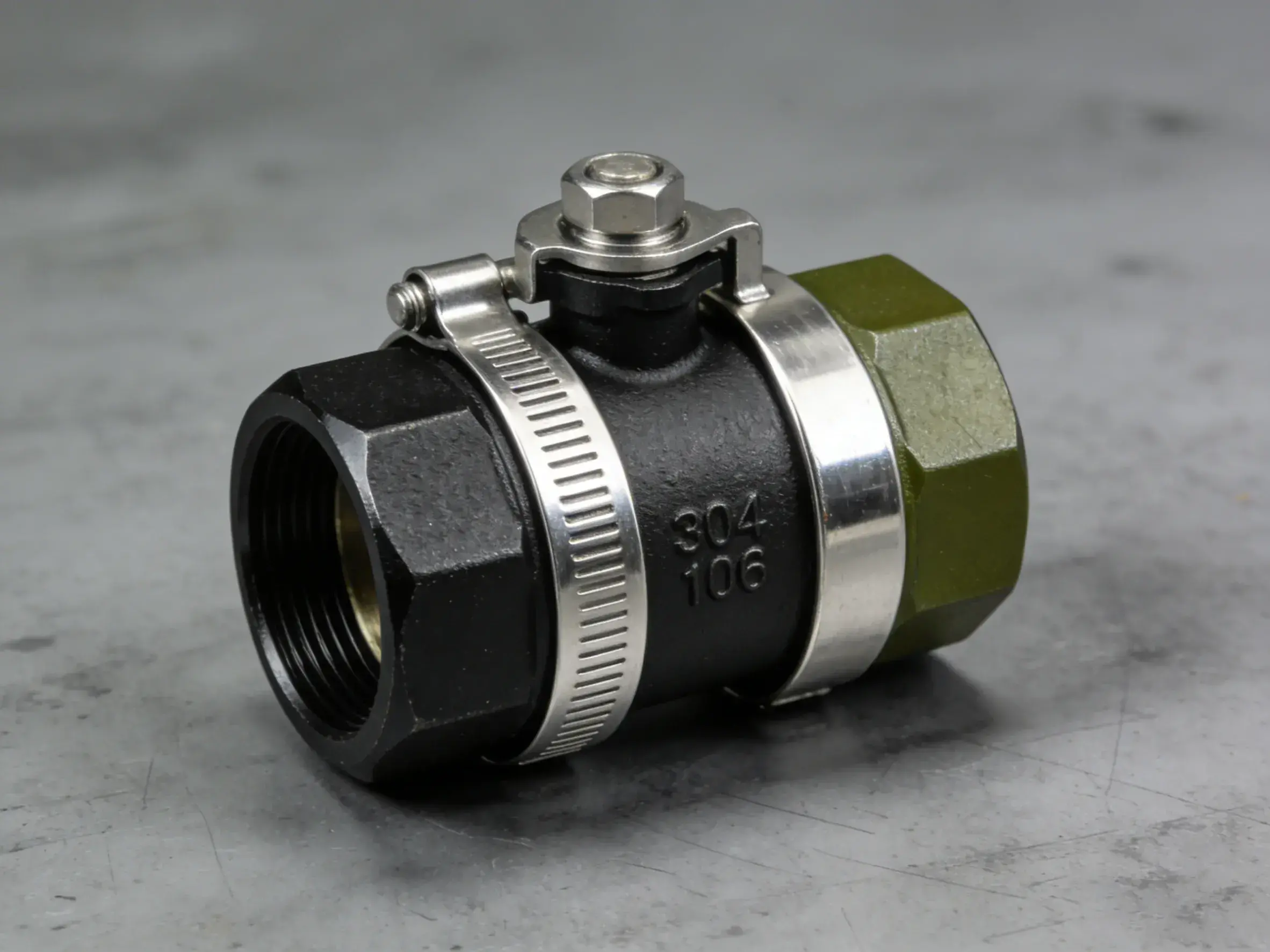
Ball valves stand out as a reliable choice for managing high-pressure applications. Their plain structure incorporates a circular pellet with a hole that turns to direct the flow of liquids. This formation effectively overcomes heightened pressure conditions attributed to its reliable seal.
Within disciplines such as hydrocarbon processing, ball valves occupy an important role in regulating amplified pressure channels. Their robustness qualifies them as fit to resist the impact of raised pressure elements.
- Moreover, ball valves feature fast response time, enabling prompt flow adjustment.
- Available in various materials and magnitudes, ball valves tailor to conform to specialized conditions of numerous substantial pressure circumstances.
Grasping Various Valve Classes and Their Purposes
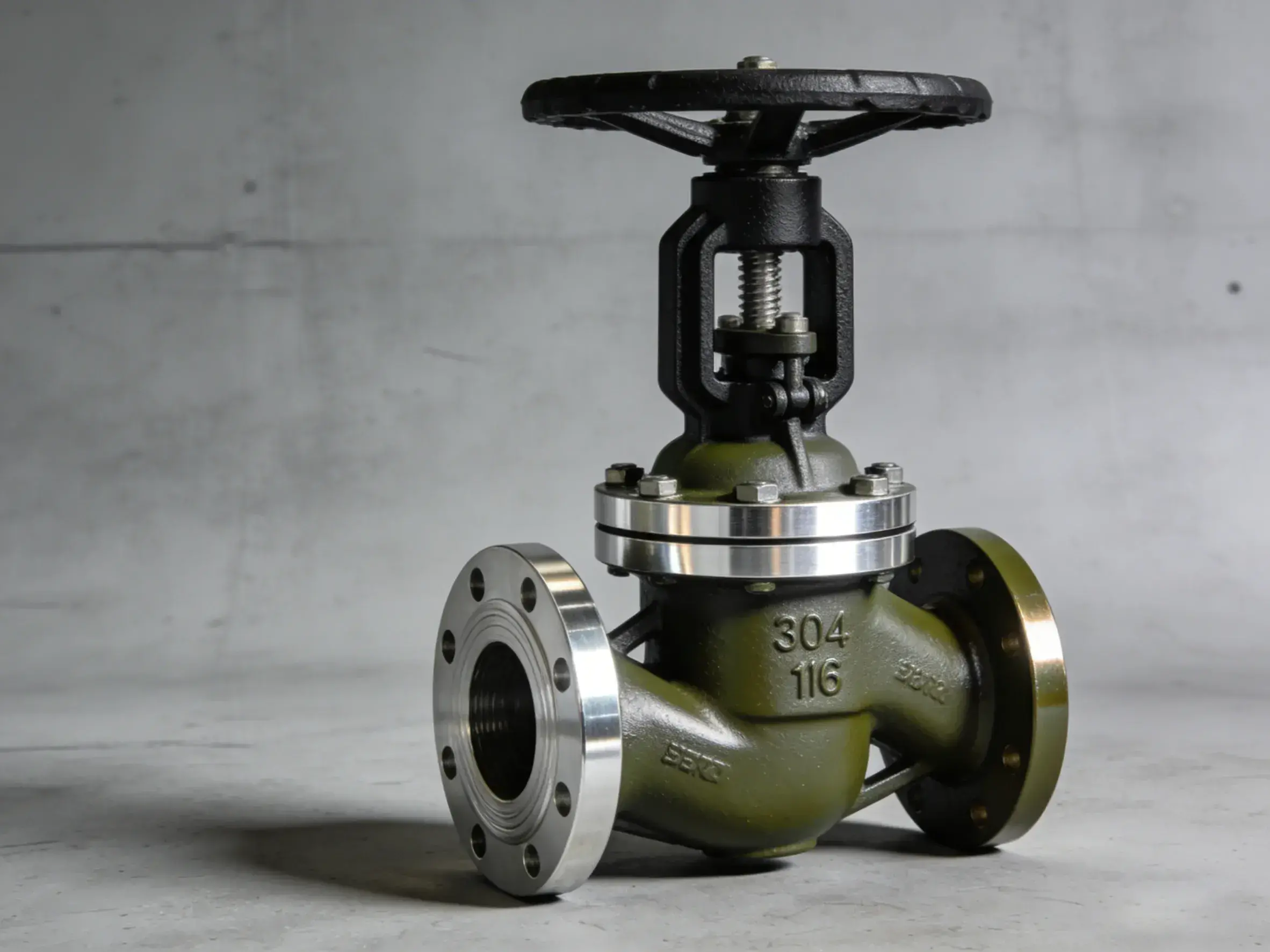
In fluid engineering, valves bear a significant responsibility steering movement of liquids and gases. Selecting the appropriate valve type is paramount to ensure efficient system performance. Valves are grouped according to their working basis, architecture, and intended purpose. Widely used valves involve gate, globe, check, ball, and butterfly selections. Each category reveals individual traits, fitting them for designated operations. Notably, gate valves modulate flow totally, while globe valves facilitate exact management of volume. Check valves block reflux, assuring forward-only passage. Ball valves show accelerated and secure on-off tossing, whereas butterfly valves operate competently in substantial capacity contexts.
Refining Liquid Control through Industrial Valves
Managing flow rates constitutes a vital factor in varied industrial operations. Industrial valves play a pivotal role in regulating the flow of fluids and gases within systems. Choosing fitting valve forms combined with optimal management plans helps firms boost process effectiveness, safeguarding, and product standards.
One key factor in optimizing flow control is understanding the diverse applications of industrial valves. Several valve schemes correspond to individual fluid attributes, force brackets, and installation backgrounds. In particular, globe valves are often engaged for throttling flux, and ball valves shine in toggling operation.
For guaranteeing accurate fluid management, pondering over aspects like valve dimension, driving methods, and steering structures is crucial. Applying high-tech control frameworks including PLCs grants mechanized flow oversight and alteration, raising operation quality.
Consistent upkeep of industry valves is vital for avoiding breakdowns and preserving efficient flux management. Pinpointing possible troubles early helps curtail expensive breakdowns and assure fluid operation of crucial methods.
Preservation Procedures for Production Valves
Ongoing repair of manufacturing valve units is indispensable for enabling continuous and steady operation in various plants. A well-structured schedule should be implemented, encompassing regular inspections to identify potential issues before they escalate into major failures. Oiling of valve parts in line with producer guidelines notably prolongs operational lifespan and decreases wear. Furthermore, it's important to keep valves clean by removing any debris that may impede proper functioning.
An all-encompassing upkeep plan must incorporate logging of every procedure related to valves, covering timelines, staff participants, and component substitutions. Careful documentation assists in monitoring valve condition longitudinally and supports strategic planning for upcoming servicing.
Effect of Automation on Valve Performance
The introduction of automation has altered how valves perform within multiple fields. By implementing automated systems, operators can enhance valve control, minimizing manual intervention and improving overall process efficiency. Programmed valve control contributes several advantages like enhanced precision, decreased breakdowns, and improved safety measures
- Instrumentation holds vital importance in robotic valve configurations, offering continuous feedback on valve condition. Processing units receive this data to autonomously adjust valve operations
- PLC systems are often employed to manage automated valve operations, allowing for sophisticated control strategies. Such frameworks supervise valve functioning, pinpoint faults, and perform adjustment operations
In addition, computerized valve control supports refined operational monitoring. Receiving valve performance data helps technicians secure useful intelligence to maximize process functionality and cut expenditures
Key Safety Precautions for Industrial Valve Deployment
Throughout installation of industrial valves, exhaustive security protocols are required. Bypassing essential safety requirements leads to harmful accidents, probably ending with plant breakdowns and significantly employee casualties. A systematic risk study requires execution ahead of fitting suspected threats and implementing fitting safeguards.
Ensure that every participant in installation efforts is skillfully trained and certified for industrial valve management and compliance with safety policies. Institute a systematic calendar of maintenance checks intended to spot malfunctions or wear on valves. Manage detailed archives involving all setup, examination, and upkeep procedures to assist future maintenance
- Comply relevant industry standards and regulations governing valve installation and operation
- Use fitting implements and technology developed for plant valve assembly
- Consult thoroughly with all agents linked to the operation to enable secure and effective assembly
Valves: Indispensable Units for Industrial Processes
Within the involved area of production/manufacturing/industrial substrata, valves represent necessary items. They serve to regulate the flow of fluids within complex systems, ensuring operational efficiency and safety. Valves get deployed throughout extensive tasks, encompassing supervision of temperature levels and pressures along with product conveyance
- Different valve categories arise, each devised to handle specific duties. Regular examples comprise gate, ball, and globe selections
- Opting for valves accounts for factors like throughput rate, pressure magnitude, heat level, and substance category
- Reliable valve performance is paramount in process settings to prevent disruptions and ensure product quality
Ongoing surveillance of valves helps optimize endurance and prevent failures
Leading-Edge Elements in Valve Design and Manufacture
The improvement in valve engineering and fabrication tightly connects to steady incorporation of leading-edge elements. These modern compositions grant several refined attributes over traditional picks, facilitating makers to assemble more powerful valves. Representative cases embrace strong ceramic composites chosen for durability in tough settings, paired with slimmetal mixtures maximizing capacity while lessening load. The adoption of these cutting-edge elements generates valves with refined sealing performance, prolonged operational life, and fortified resistance against corrosive effects
Valve Actuation Technologies: An Analytical Comparison
{This investigation delves into the diverse valve actuation mechanisms prevalent in modern engineering applications|This exploration examines the varied valve drive technologies common in contemporary engineering uses|The study analyzes the mixed valve triggering systems typical in current engineering projects|This research evaluates the assorted valve motion methods widespread in advanced engineering scenarios|The survey inspects the multiple valve control techniques existing in up-to-date engineering solutions|This review considers the high-pressure valves assorted valve operating mechanisms encountered in present-day engineering environments|This analysis explores the various valve activation systems found in progressive engineering implementations|The inquiry scrutinizes the heterogeneous valve act