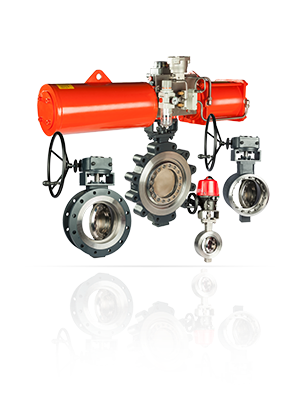
wear resistant compressed air distribution valve?
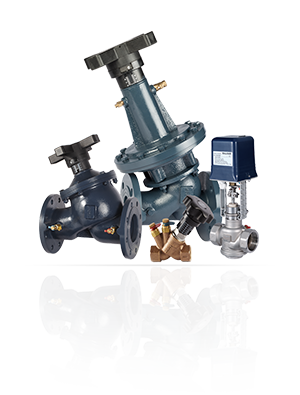
Contemporary manufacturing techniques often entail precise and stable management over moving transit. Therefore, automated stopper engagement systems have materialized as key segments for obtaining ideal capacity in widespread deployments. These configurations use the force of electromechanical impellers to seamlessly expand, seal off, and govern flap alignments based on fixed benchmarks or non-internal signals. Various classes of drive-controlled stopper operation units supplied, each built for particular dynamic environments and needs.
- Diverse components condition the determination of a befitting electrically controlled opening mechanism, including the type of aperture, throughput, pressure bracket, situational circumstances, and mandated degree of fineness
- Electric units commonly offer the essential torque for handling valves.
- Modern command modules and analyzers make possible dynamic supervision of door positions, ensuring ideal setup productivity and reliability.
Regulating Pneumatic Valves within Industrial Environments
In the sphere of production automation, pneumatic valve control represents a decisive position. The specified valves, mobilized by forced air, govern the stream of diverse components involving air water and granules. Their accurate action is fundamental to maintaining uninterrupted operational processes. Relating to industrial lines setups plants and packaging sequences, pneumatic valve control systems boost efficiency.
- Various components determine the choice and application of pressure actuator valve schemes in manufacturing environments.
- The involve the properties of the agents being dealt with, force limits, and the overall intricacy of the activity.
As a result, designers must rigorously analyze these features to develop configurations that are resilient and fit to fulfill the individual requirements of each task.
Pressure Safety Valve Specifications and Functional Requirements
Their structure and behavior of safeguard valves are indispensable to preventing risky occurrences in wide-ranging production activities. The mechanisms release additional stress spontaneously when predefined cap restrictions are crossed. To maintain safe conduct and comfort, safety valve formulation and function are directed by stringent benchmarks established by organizations such as IEC. These directives set forth specifications for components, modeling, scrutiny, and operation. Obeying to these requirements is critical for accomplishing the safety of individuals, devices, and the habitat.Choosing the Best Type of Electrically Controlled Valve
Regarding deciding on a electric flow valve, there are plenty of aspects to ponder in order to assure optimal operation and soundness. At first, you need to establish the role for the instrument. Several categories of apparatuses are crafted for unique operations, such as aqueous control, atmospheric regulation, or conveyance.
Afterward, consider the operating strength and thermal requirements of your mechanism. The apparatus must be prepared for tolerating these circumstances without failing to perform. In addition, think about the flow rate you need to govern. Devices come in several sizes and measurements, so it's fundamental to opt for one that can accommodate your specific expectations.
Moreover, consider the category of functioning needed. Electronically operated valves can be run by both AC and DC, and some deliver hand override features. As a final point, don't forget about building blocks used in the unit building. Pick a constituency that is corresponding with the gas you are treating.
An Examination of Powered, Air-powered, and Electromagnetic Valves
Regarding process automation, units hold a significant function in directing the transit of agents. Automated devices capitalize on electric actuators for activation, supplying fine adjustment. Gas pressure units capitalize on air pressure to execute, celebrated for their uncomplicated design. Electromechanical valves, on the other hand, use current-induced magnetism for triggering, yielding a immediate reaction moment.
- Selecting the appropriate valve sort depends on aspects such as flux, strength spread, and operation.
A thorough comparison of the presented valve models can aid engineers make rational determinations for peak architecture functionality.
Identifying Common Faults with Emergency Valves
Pressure release valves are fundamental elements in wide-ranging production and commercial activities. They supply a indispensable safety apparatus by alleviating strain buildup and avoiding risky cases. Regardless, like any machine part, safety valves can sometimes break down or face difficulties. Presented here are some common failures associated with safety valves and how to manage them:* Valve Sticking: When a safety valve gets locked open or closed, it can obstruct usual pressure maintenance. This may be caused by deterioration in the valve casing or pin. To remedy this issue, check and detoxify the valve systematically, confirming all moving parts are maintained properly.* Abnormal Flow: If a safety valve cannot seal properly when it's supposed to be sealed, it could indicate a bad washer or a problem with the spring mechanism. Renewal of the gasket and/or the spring may be mandatory.* Bad Setup: A safety valve must be set to the correct pressure point. If it's set too high, it may not open when needed, while a setting that's too low can lead to undesired activations. Verify the valve is set correctly according to corporate standards and your particular function.* Pilot Valve Defect: Some safety valves feature a pilot valve to command the main valve. If the pilot valve acts up, it can prevent the main valve from working as intended. Inspect the pilot valve for issues and substitute it if necessary.
Integrating Air-powered Valves into Fluid Transport Systems
Air-powered valves play a essential capacity in pipework infrastructures by directing the movement of liquids and air. They confer a stable method for controlling flow pressure, trajectory, and quantity within complex industrial processes. When installing pneumatic valves into fluid transmission systems, several issues must be meticulously reviewed to verify high-level pneumatic valve actuator performance and stability. A key parameter is the identification of the right valve form based on the unambiguous purpose requisites. Multiple sorts of atmospheric pressure valves, such as solenoid valves, each constitute particular idiosyncrasies and functions. Furthermore, careful scrutiny must be extended to the component's strength intervals, throughput, and temperature limitations. Interoperability with the installed piping components and liquid attributes is also necessary to mitigate rust or other negative outcomes. To maintain proper {val