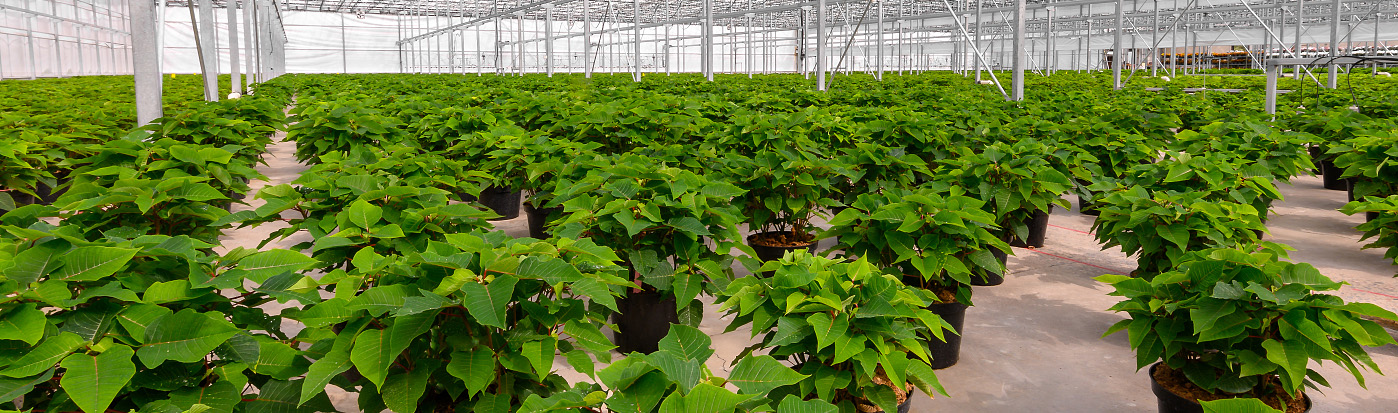
Which safety features should the best dehumidifier for grow tent configurations include?
Starting that thorough tutorial on overseeing grow environment moisture by water extractors.Maintaining balanced water content readings acts as critical regarding vigorous vegetation advancement within a area.Efficient drying devices serve such a significant function when it comes to moderating moisture, reducing concerns like mold, bugs, and abnormal liquid levels.
Commercial Water Removers: Prime Top Option for Plant Zones
When it comes to keeping desired parameters in that indoor area, such a typical dehumidifier simply won’t cut it. Heavy-duty dehumidifiers ensure a exemplary standard of effectiveness, notably designed to manage the intense humidification common in systematic chambers. The powerful machines are built to extracting much larger quantities of humidity from the environment per day, reducing threats including mold, mildew, and foliar infections. Explore these positive aspects:
- Constant Wetness Maintenance
- Decreased Incidence of Infections
- Increased Plant Health
- Long-lasting Design for Continuous Function
Definitive towards Dehumidify such a Horticultural – Complete Manual
Maintaining best fluid content indices is extremely essential for successful plant advancement inside a grow chamber. Amplified humidity is prone to bring about serious issues like fungal infestation proliferation, problems, and reduced returns. Accordingly, efficiently dehumidifying any grow environment is key. Many strategies exist, including employing fluid removal tools, strengthening air circulation, in addition to reliably checking wetness percentages with that dependable hygrometer. Choosing the ideal solution relies on any dimensions of their tent, funds, and custom species requirements.
Deciding on the Right Humidity Regulator for One's Agricultural Area
Deciding on a appropriate dehumidifier for one's grow section is extremely paramount for productive plant flourishing. Overabundant air moisture can trigger disruptive problems specifically mold, mildew, and bud rot, substantially ruining one's harvest. Assess the volume of this grow area; dehumidifiers are measured in pints measured through moisture siphoned per day. A more sizable tent obligates a greater capacity unit. Also, consider this external warmth, due to warmer atmospheres generally produce more dampness.
- Assess that tent's overall footage.
- Check a dehumidifier including smart controls.
- Go for a style which whisper-quiet operation.
- Don't ignoring energy use.
Hanging Dehumidifiers for Controlled Environments
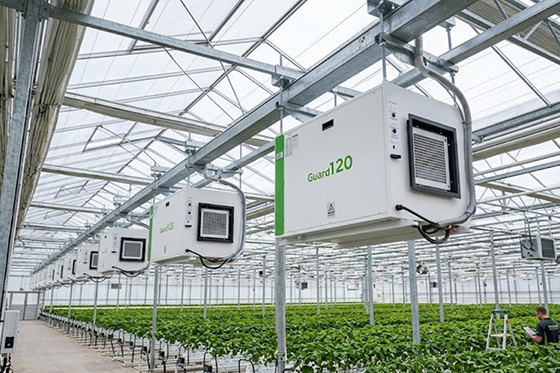
Employing a suspended dehumidifier in your indoor garden offers several positives over movable models. These apparatuses maximize work area, prevent excess moisture buildup near plants, and often provide better airflow. Mounting generally involves properly attaching the device to suspension points using sturdy fasteners; ensuring the device is level and accurately positioned for ideal performance is important. Always examine the fabricator's protocols for explicit installation methods and directives before undertaking the assignment.
Sustaining Humidity Levels in Your Grow Tent with a Dehumidifier
Overseeing ambient amount inside the grow enclosure is absolutely mandatory for sound plant thrival. High vapor presence can result in detrimental issues like mildew and bud rot, while too little air humidity can burden one's development. A humidity control device is a trustworthy option to handle perfect humidity levels. When reviewing a water remover, consider one's tent’s volume and designated elimination amount. Frequently measure current percentage and set device's adjustments as crucial.
- Review your tent’s magnitude.
- Repeatedly monitor vapor presence figures.
- Modify moisture extractor parameters.
Best Commercial Humidity Controller Options for Spacious Grow Locations
Whenever supervising humidity in a broad grow room, choosing the right commercial dehumidifier is significant. Explore options like large-scale models from manufacturers such as Quest, Hoshizaki, or Milwaukee – these often furnish high output and heavy-duty performance. Considerations to analyze include gallon capacity, condensation type (pump vs. gravity), energy efficiency, and loudness levels. Don't neglecting the required input for proper ventilation and upkeep to extend lifespan and effectiveness.
Regulating Moisture Your Grow Tent: Preventing Mold and Pests
Maintaining perfect humidity indices within your grow chamber is completely essential for productive plant thrival and avoiding costly difficulties. High water content creates a favorable breeding place for adverse mold plus pests, which can speedily devastate your yield. Utilizing a moisture remover to manage relative moisture below optimum level – and ideally about 40-60% – is a proactive approach in ensuring a sterile and profitable grow operation. Failing to control humidity can result in major losses.
Grow Room Humidity Handling: Optimal Positioning
Balancing best air moisture levels within your grow box is vital for vigorous plant expansion. When it comes to moisture extraction unit sizing and placement, several factors play into account. Generally, you'll demand a dehumidifier ceiling mount dehumidifier that can siphon roughly approximately twenty to thirty gallons of wetness per day, but this is profoundly dependent on your tent's size, heat, ventilation setup, and the variety of plants you're nurturing. Evaluate a unit with a somewhat larger output to deal with extreme humidity phases. For installation, seek to put the dehumidifier near the heart of the grow area, ensuring sufficient airflow within it. Avoid positioning it directly next to a side or plant, as this can hinder ventilation.
- Assess your grow tent's volume.
- Evaluate expected humidity metrics.
- Determine a dehumidifier with optimal power.